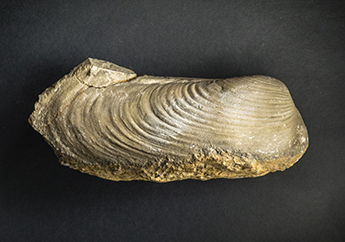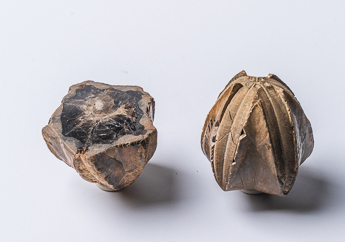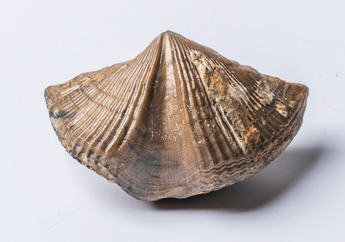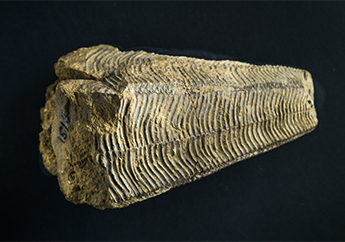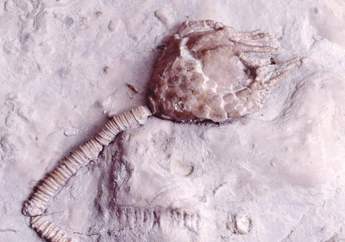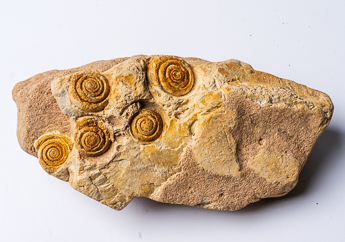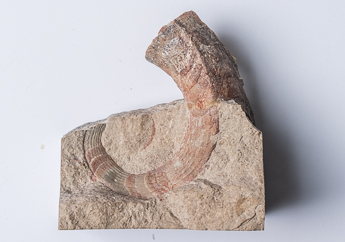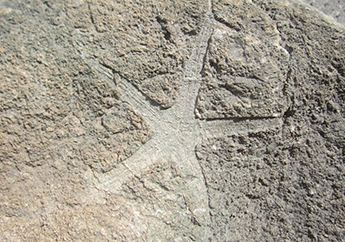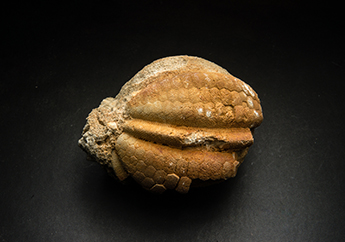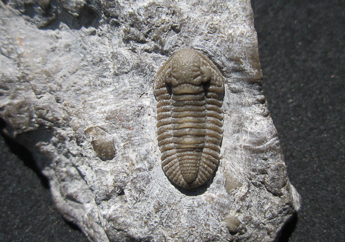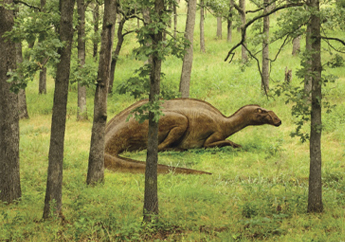
The word “fossil,” comes from the Latin word “fossilis,” which means “dug up.” Fossils are the remains of animals and plants that have been preserved in rocks or minerals. Dinosaur bones maybe be the most well-known fossils, but they are not the only fossils.
Fossils often are found in limestone and represent a variety of extinct marine invertebrate animal life forms, including brachiopods, bryozoans, clams, corals, crinoids, nautiloids and snails. Below are some of the most common fossils found in Missouri.
Did you know countless fossils are embedded directly in the polished stone slabs throughout the Missouri State Capitol in Jefferson City? Ancient marine fossils are visible in its exterior and in the interior walls and floors, rotunda, and stone steps of the grand stairways. Stop by the Missouri State Museum inside the State Capitol building to pick up a fossil pamphlet, explore the exhibits throughout the building, and discover the incredible fossils that help tell Missouri’s story!